
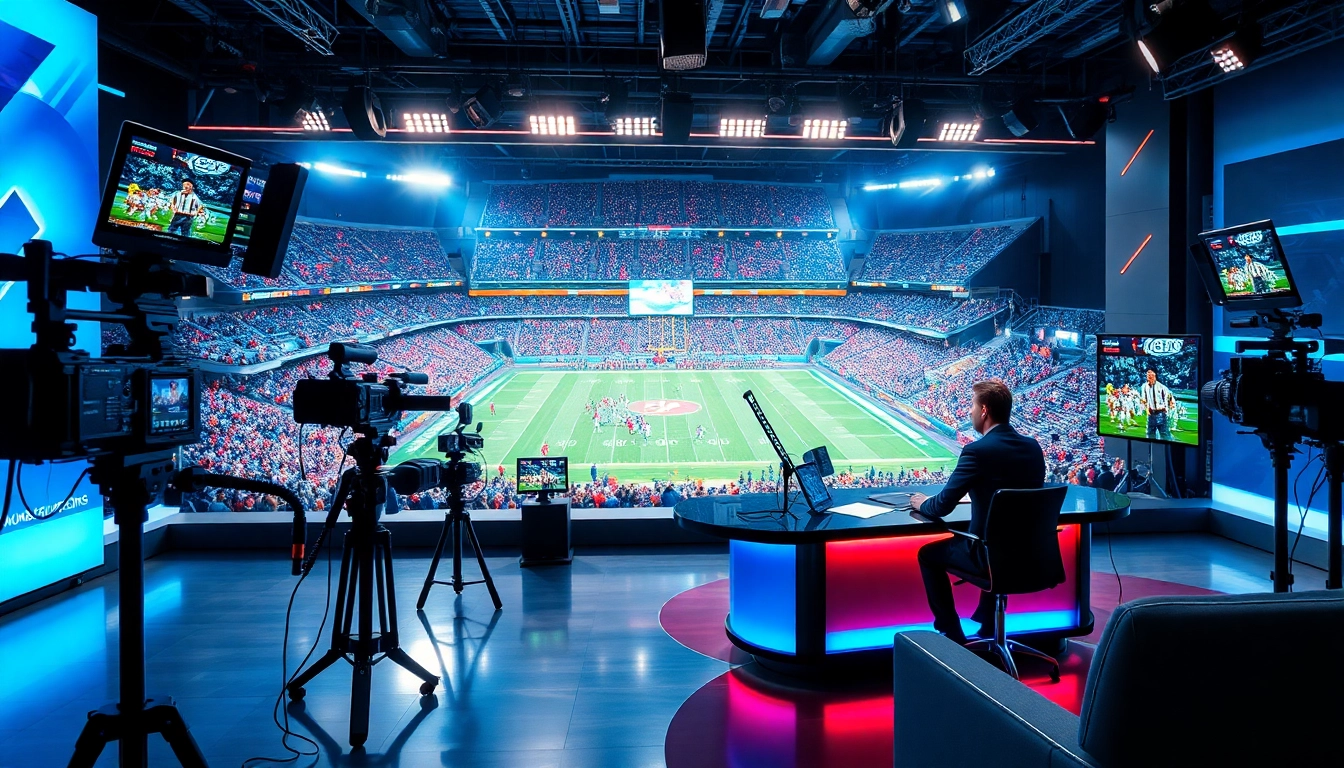
Understanding Sports Broadcasting
Defining Sports Broadcasting
Sports Broadcasting encompasses the distribution of sports events and related information over various media platforms, including television, radio, and online streaming services. The goal is to deliver live coverage of sporting events to a broad audience, providing commentary, insights, and analysis. With advancements in technology, sports broadcasting has evolved significantly, impacting how audiences consume sports content.
The Importance of Sports Broadcasting
Sports Broadcasting plays a crucial role in the sports ecosystem by enhancing viewer engagement and fostering a community among fans. It serves not only as a source of entertainment but also as a medium for storytelling, allowing fans to connect emotionally with their favorite teams and athletes. Additionally, it helps boost the financial viability of sports leagues and franchises through advertising revenue and sponsorship deals. For those looking to delve deeper into this dynamic field, exploring Sports Broadcasting provides essential insights.
Key Components of Sports Broadcasting
Key components of Sports Broadcasting include play-by-play commentary, color analysis, pre- and post-game shows, and live interviews with players and coaches. Each element serves a specific purpose: providing real-time updates, enhancing the viewer’s understanding of the game, and delivering exclusive content that keeps audiences engaged beyond just watching the game.
Core Techniques in Sports Broadcasting
Effective Communication Strategies
Effective communication is vital in Sports Broadcasting. Broadcasters must be clear, concise, and engaging while conveying information. They should tailor their language to suit the audience, whether it’s casual viewers or hardcore enthusiasts. Understanding pacing, tone, and modulation can also enhance the storytelling aspect of broadcasts, creating a more immersive experience for the viewer.
Utilizing Advanced Technology in Sports Broadcasting
Advanced technology plays a pivotal role in modern Sports Broadcasting. The use of high-definition cameras, drones, and augmented reality enhances viewer engagement by providing immersive visuals. Additionally, data analytics tools offer real-time statistics that broadcasters can use to enrich their commentary, guiding viewers through complex plays or strategies employed by teams.
Best Practices for Live Reporting
Live reporting requires quick thinking and adaptability. Broadcasters should be well-prepared with background knowledge about teams, players, and events. Ensuring seamless transitions between different segments, maintaining an engaging narrative during commercial breaks, and effectively coordinating with production staff are critical for successful live broadcasts.
Audience Engagement in Sports Broadcasting
Creating Compelling Content
Creating compelling content is essential to keeping viewers interested in the long term. Broadcasters should explore human-interest angles around athletes, examine backstage stories, and engage the audience with trivia and interactive segments. Utilizing social media platforms to interact with fans during broadcasts can also enhance viewer participation and create a sense of community.
Understanding Your Audience
Understanding the demographics and preferences of the audience is key in Sports Broadcasting. Broadcasters need to tailor their content to the interests of the specific segments of their viewership, whether they are die-hard fans, casual viewers, or families watching together. Surveys and viewer analytics can provide insights into what resonates most with audiences.
Building Viewer Loyalty
Building viewer loyalty involves consistently providing quality content and engaging programming. By establishing a recognizable brand, offering exclusive insights, and building rapport with fans through personable commentary, broadcasters can create a loyal viewer base that returns season after season.
Challenges in Sports Broadcasting
Addressing Technical Issues
Technical issues pose significant challenges in Sports Broadcasting. From equipment malfunctions to connectivity issues, broadcasters must have contingency plans in place. Regular equipment checks, reliable internet connections, and technical support teams ready to troubleshoot problems can minimize disruptions during live events.
Navigating Ethical Dilemmas
Sports broadcasters often face ethical dilemmas, such as balancing sensationalism with factual reporting. Maintaining integrity and objectivity while delivering compelling content is crucial. Broadcasters should adhere to industry standards and prioritize accuracy over sensational stories to uphold credibility.
Maintaining Professionalism Under Pressure
High-pressure situations are a staple in Sports Broadcasting, especially during crucial moments of a game. Broadcasters need to stay composed, articulate, and professional, regardless of the event’s intensity. Incorporating relaxation techniques, thorough preparation, and supportive teamwork can help maintain professionalism during these critical times.
Trends and Future of Sports Broadcasting
Emerging Technologies Impacting Sports Broadcasting
Emerging technologies such as 5G networks, virtual reality, and artificial intelligence are set to revolutionize Sports Broadcasting. 5G will enable higher-quality streaming and more interactive content, while AI can enhance data analytics and automate routine reporting tasks. Additionally, virtual reality can provide immersive experiences, allowing fans to experience games like never before.
Shifts in Audience Viewing Habits
As audience viewing habits continue to shift with the rise of streaming platforms and mobile consumption, broadcasters must adapt their strategies accordingly. Flexibility in producing content tailored for on-demand viewing, shorter highlight clips, and mobile-friendly formats will become essential for retaining viewer interest.
Predictions for the Future of Sports Broadcasting
Looking ahead, the future of Sports Broadcasting is likely to include a blend of traditional and digital formats. With fan engagement becoming increasingly important, personalized viewing options that allow audiences to choose their commentary, camera angles, and even augmented reality overlays will enhance the viewing experience, creating a more interactive environment.
FAQs About Sports Broadcasting
What is Sports Broadcasting?
Sports Broadcasting involves transmitting live sporting events through various media platforms, serving as a medium for commentary, analysis, and viewer engagement.
How has technology changed Sports Broadcasting?
Technology has introduced high-definition visuals, real-time data analytics, and interactive engagement, revolutionizing how audiences experience sports events.
Why is audience engagement important in Sports Broadcasting?
Audience engagement fosters community and loyalty, making it essential for broadcasters to connect emotionally with viewers and enhance their viewing experience.
What challenges do sports broadcasters face?
Sports broadcasters face technical difficulties, ethical dilemmas, and high-pressure situations, requiring robust strategies to address these challenges effectively.
What does the future hold for Sports Broadcasting?
The future of Sports Broadcasting will likely include more interactive features, personalized viewing options, and a stronger focus on digital and streaming platforms.